Table Of Content
As long as they share the same center, distance, frequency, and angle of visual objects, rotational symmetry exists. Observe, for instance, the marvelous Taj Mahal, one of the most cited examples of perfect symmetrical balance in architecture. All the details match one another on both sides of this majestic construction. There is not a single object taking the spotlight, or ruining the overall impression of purest harmony – a perfectly balanced display of craftsmanship and artistic taste. Fractal symmetry is a more complex and less conventional form of symmetry found in some contemporary architecture.
Content
Design, fabrication and testing of a novel symmetrical 3-DOF large-stroke parallel micro/nano-positioning stage - ScienceDirect.com
Design, fabrication and testing of a novel symmetrical 3-DOF large-stroke parallel micro/nano-positioning stage.
Posted: Tue, 28 Nov 2017 02:53:46 GMT [source]
Asymmetrical balance is when you have two dissimilar sides of a design and have positioned visual weight unequally, and yet you’ve still achieved a sense of balance. Symmetrical balance, on the other hand, is when you have two identical sides of a design with equal weight on either side of a central point of axis. It will also likely take less effort to figure out how to create them in a compositional manner.
Visual Design: The Ultimate Guide
By creating a seamless whole, it makes us feel as if everything fits together perfectly, and we as humans are naturally likely to absorb visual information faster when it’s symmetrical. On top of that, symmetry has also been found to be positively correlated with health, physical fitness, and levels of attractiveness. Web designers often use it as a passive element to create background patterns.
New iPhone 14 Pro Max Schematic Shows Thinner, Symmetrical Bezels - Forbes
New iPhone 14 Pro Max Schematic Shows Thinner, Symmetrical Bezels.
Posted: Thu, 07 Apr 2022 07:00:00 GMT [source]
Symmetrical Balance: Achieving Visual Harmony in Design
Designers have a variety of tools and techniques at their disposal to create balanced compositions. One common approach is to use an axis, such as a vertical or horizontal line, to divide the design into equal halves. Another technique is to use proportion to create balance, such as by using the golden ratio or other mathematical principles. Negative space can also be used to create balance by providing a visual counterpoint to the main elements of the design. Similarly, the Sydney Opera House, designed by Jørn Utzon, stands as an iconic symbol of modern architecture.
Da Vinci’s work also serves the perfect proportions of the human body, which was such a prominent motif in classical art. Symmetrical designs often communicate stability, harmony, and order, while asymmetrical designs can evoke excitement, curiosity, and creativity. For example, a symmetrical layout might be ideal for a professional portfolio showcasing your attention to detail.
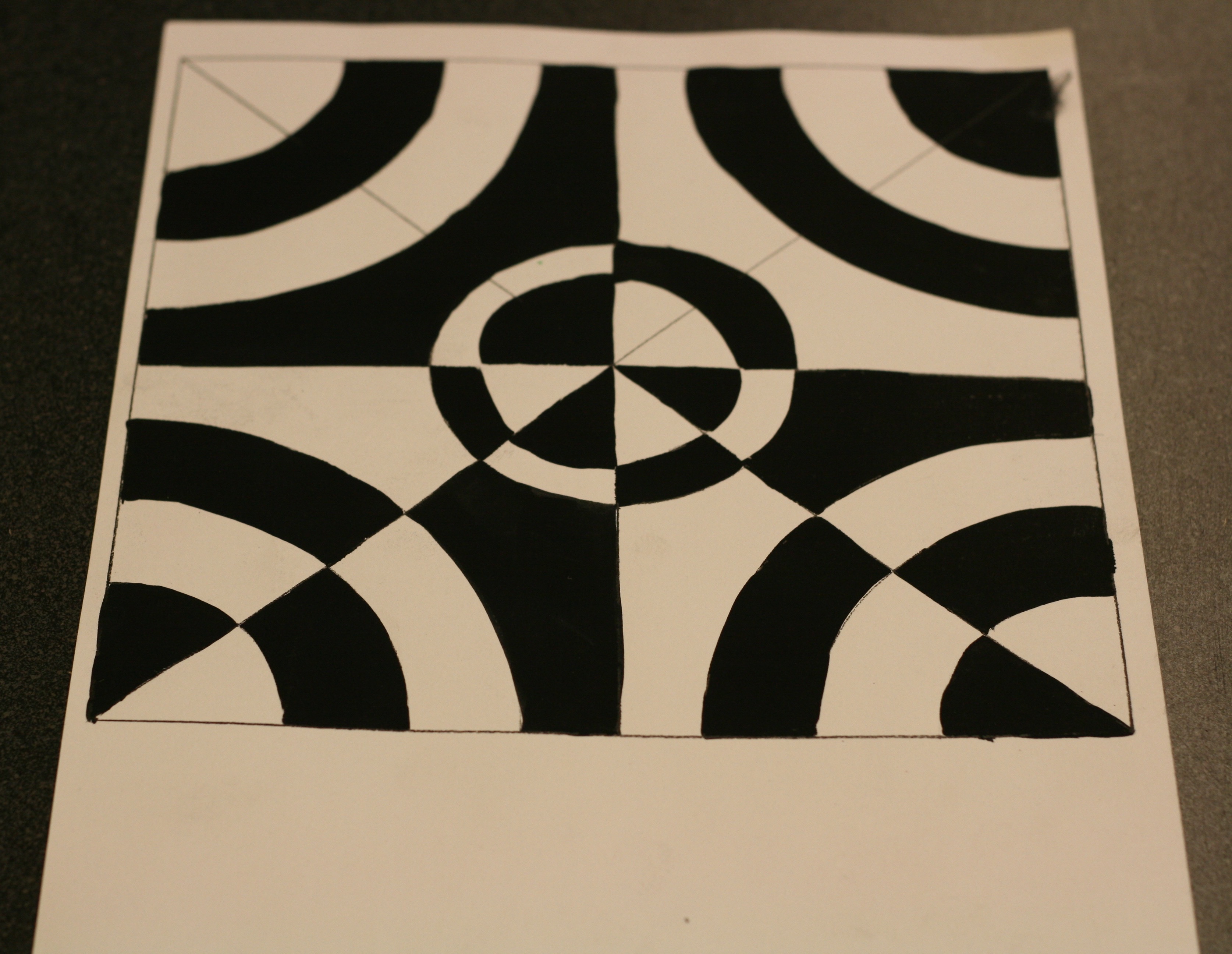
However, many instances—a face, for example—will feature subtle differences on each side. Symmetry is the visual quality of repeating parts of an image across an axis, along a path or around a center. Rotational symmetry (or radial symmetry) is when an object is rotated in a certain direction around a point.
Discover the best software tools for your business!
"After 500 posts this little art project gathered an impressive audience." Take a look at the video above for a tiny snippet of the world of Geometry Daily. These top uses of symmetry in design offer up a reflected sense of illustrated inspiration. Content-heavy websites such as news and magazine websites exhibit mosaic balance as well. In the screenshot, I’ve removed the background image behind the top of the page. There was certainly a random and chaotic feel with the letters strewn about, but the balance in the composition works.
In the example below, we’ve moved one object several times at even intervals. These intervals do not have to be equal in order to maintain translational symmetry; they just need to be proportional. Translational symmetry can be used to create patterns, such as in the case of tiled website backgrounds and repeating design elements.
Balancing Asymmetrical Structures
This will make your composition more dynamic and modern and might help you deliver your message with greater effect. Translational symmetry can be applied in all directions as long as the basic orientation of the visual objects remains unchanged. An asymmetrical design, on the other hand, may be more effective for a younger, more adventurous audience interested in exploring unique and unconventional content.
Different cultures have incorporated symmetrical designs in their architectural styles for various reasons, often reflecting their unique perspectives on cosmology, religion, and societal values. In Islamic architecture, for example, symmetry holds symbolic significance as a reflection of the order and harmony inherent in the divine creation. Islamic geometric patterns, based on principles of symmetry and repetition, adorn mosques, palaces, and madrasas.
Principles such as continuation, common fate and parallelism impart visual direction. I also mentioned that symmetrical forms are more likely to be seen as figure rather than ground. Translational symmetry (or crystallographic symmetry) occurs when elements are repeated over different locations in space. It can occur in any direction or at any distance, as long as the basic orientation is the same.




No comments:
Post a Comment